In an age where digital interactions happen at lightning speed, real-time marketing tools has become not just an advantage — but an imperative. Consumers now live in the moment, engage in the now, and expect brands to do the same. The once-static marketing strategies of the past no longer suffice in a world driven by instant gratification, viral trends, and dynamic digital behaviors. Welcome to 2025 — a hyper-connected, always-on digital ecosystem where timing is everything.
Brands that can respond instantly to emerging trends, live events, and customer interactions don’t just stay relevant — they lead. Those that delay risk becoming invisible in the digital clutter of an increasingly saturated market. This is the era of agility, and brands must be equipped with the right tools to listen, respond, and adapt in real time. Real-time marketing is about seizing the moment — whether it’s leveraging a trending hashtag, reacting to breaking news, personalizing an offer based on live user behavior, or joining cultural conversations as they unfold.
It’s about grasping the pulse of the present and delivering timely, context-rich content that genuinely connects with your audience on a more meaningful level. But how do you manage this level of responsiveness across multiple channels, audiences, and platforms? That’s where real-time marketing tools come in. These cutting-edge platforms empower brands to monitor online activity, automate intelligent responses, deliver personalized content, and track user engagement — all in the moment.
With powerful features like AI-powered analytics, real-time alerts, chatbot automation, live trend tracking, and audience behavior monitoring, these tools make it possible to turn insights into action instantly. Imagine being notified the moment your brand is mentioned in a trending post — and being able to craft a witty, on-brand response before the buzz fades. Picture your site recognizing a returning customer and offering them a personalized discount based on their browsing habits — all without a human ever touching a button. This is real-time digital marketing in action, and it’s revolutionizing how brands connect with customers.
What makes these tools even more crucial in 2025 is the integration of AI, machine learning, and predictive analytics, allowing marketers to not only react, but to anticipate. With the right toolkit, businesses can predict customer needs, pre-empt competitor moves, and optimize campaigns on the fly. Whether you’re a growing startup aiming to build brand presence or a well-established enterprise striving to enhance engagement and retention, investing in the right real-time marketing tools can dramatically amplify your results. They allow teams to move faster, make smarter decisions, and foster authentic connections in the digital moment.
In this post, we’ll break down the top real-time marketing tools for 2025 — tools that are redefining speed, relevance, and customer experience in today’s marketing landscape. From social media listening platforms to real-time engagement dashboards and intelligent CRM solutions, these are the technologies every brand should have in their arsenal to stay ahead of the curve. Let’s dive in and explore how these tools can help your brand be not just present, but powerfully responsive in the moments that matter most.
🔥 Why Real-Time Marketing Matters in 2025
In the fast-paced digital world of 2025, real-time marketing is transforming how brands connect, convert, and compete. This is precisely why real-time marketing has become the heartbeat of modern brand strategy in 2025:
✅ Engage Customers Instantly During Key Moments
Whether it’s a trending social media topic, a global event, or a spontaneous customer action, timing is everything. Real-time marketing empowers brands to tap into live moments as they happen, capturing attention while emotions and engagement are at their peak. This immediacy creates more authentic interactions, making your brand feel alive, present, and relevant in the digital conversation.
✅ Personalize Content Based on Current Behavior
Gone are the days of generic campaigns. With real-time insights, brands can now tailor content based on what users are doing right now — not just historical data. This means offering personalized product recommendations, messaging, or promotions based on live browsing behavior, location, or device. Such responsiveness dramatically improves user experience and fosters stronger customer loyalty.
✅ Increase Conversions with Timely Offers
Real-time marketing tools enable you to deliver perfectly-timed promotions when the user is most likely to convert — like sending a discount as they browse a specific product or reminding them of an abandoned cart seconds after they leave. These micro-moments, if captured effectively, significantly boost sales, reduce bounce rates, and increase ROI by meeting customers at their decision-making point.
✅ Stay Ahead of Market Trends and Competitors
The ability to monitor and react to trends as they emerge gives your brand a competitive edge. Real-time tools help you track viral content, industry news, or competitor activity — and act before others do. By staying proactive rather than reactive, you can position your brand as a thought leader, trend-setter, and agile performer in a constantly shifting digital landscape.
🚀 With AI and Automation Advancing Rapidly, Using the Right Tools Can Make All the Difference
AI-driven real-time marketing tools analyze massive data streams instantly and automate actions based on customer behavior, preferences, and trends. From predictive content delivery to smart chatbots and live analytics, these technologies remove guesswork and bring speed, accuracy, and scale. By 2025, embracing these tools isn’t just a strategic advantage — it’s a fundamental requirement for staying competitive and thriving in the ever-evolving digital marketing arena.
✅ Top Real-Time Marketing Tools in 2025
Hootsuite Streams
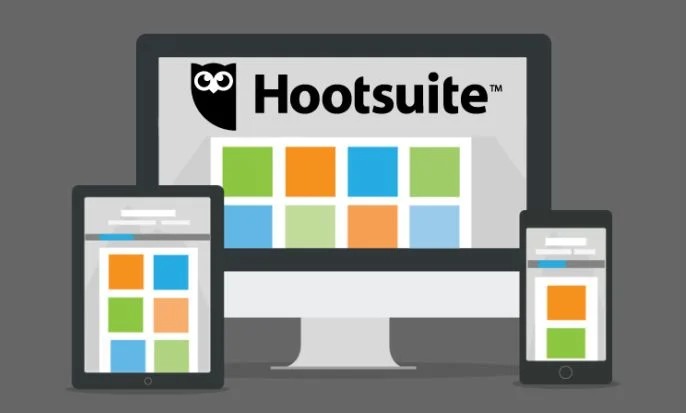
Hootsuite Streams offers a powerful, unified dashboard that enables marketers to monitor real-time mentions, trending hashtags, brand conversations, and competitor activity across multiple social media channels. From scheduling posts to tracking audience engagement live, it helps you streamline your social strategy while staying reactive and informed.
Ideal for: Social media strategists, real-time brand tracking, and managing live digital moments.
Google Trends + Google Alerts
This dynamic duo provides a competitive edge by helping marketers identify trending keywords and topics as they emerge. Google Trends reveals the real-time pulse of what people are searching for, while Google Alerts sends timely notifications when your selected keywords appear online. Together, they allow instant content ideation and timely engagement.
Best for: Content creators, SEO marketers, and trend hijacking.
HubSpot Marketing Hub
HubSpot combines CRM with real-time marketing features, such as intelligent analytics, live chat, and smart content modules that adapt based on visitor behavior. It’s designed to help brands deliver personalized, time-sensitive marketing that aligns with user intent. Everything from lead generation to email automation is connected through one seamless ecosystem.
Best for: CRM integration, real-time lead nurturing, and B2B marketing.
Mention
Mention allows you to monitor conversations across social media, blogs, forums, and news platforms in real time. Instantly track your brand name, competitors, or key industry terms. Its smart alerts and sentiment analysis help you stay ahead of brand perception issues and jump into relevant conversations as they unfold.
Best for: PR teams, customer service, and online reputation management.
Chatbots like Drift or Tidio
Modern AI-driven chatbots like Drift and Tidio engage customers in real time, offering 24/7 responses to questions, product recommendations, and support. They reduce wait times, improve conversion rates, and provide personalized experiences across web and messaging platforms. Easily integrated, they’re a must-have for brands looking to automate interaction without losing human touch.
Best for: E-commerce platforms, lead capture, and automated customer support.
Sprinklr
Sprinklr is an enterprise-level platform that uses AI to manage large-scale, real-time marketing across social, web, and messaging platforms. It enables brands to monitor audience sentiment, deliver adaptive ads, and coordinate omnichannel campaigns seamlessly. With advanced analytics and workflow tools, it’s ideal for brands needing high-level digital command.
Best for: Enterprise marketing teams and omnichannel campaign execution.
Zapier + Slack Integration
Connect your favorite apps using Zapier and receive real-time alerts directly into Slack. Whether it’s form submissions, abandoned carts, or social mentions, this combo helps your team respond faster and stay informed without switching tabs. Automate repetitive workflows and improve team collaboration with smart, instant notifications.
Best for: Internal teams, workflow automation, and cross-platform updates.
📈 How to Choose the Right Tool for Your Brand
Selecting the right real-time marketing tool depends on your brand’s unique needs and strategic goals. These four pillars will help you find the perfect real-time marketing fit for your brand:
✅ Your Business Size and Budget
Not all tools are built the same — or priced the same. A startup may benefit from budget-friendly platforms with essential features, while larger enterprises may need robust systems with advanced capabilities. Be realistic about your current needs versus future scalability. Choose a tool that offers flexible pricing tiers and features that grow with your business without compromising performance or support.
✅ Integration with Current Systems (CRM, CMS, etc.)
To avoid workflow disruptions, ensure the real-time tool integrates smoothly with your existing ecosystem, including CRM, CMS, email marketing, and analytics platforms. Seamless integration enables data sharing, coordinated campaigns, and better automation. The more connected your systems are, the more powerful and unified your marketing strategy becomes — enabling faster responses and improved personalization.
✅ Target Audience and Platforms Used
Where does your audience spend most of their time — Instagram, LinkedIn, email, your website, or all of the above? Choose a tool that aligns with your primary marketing channels and allows real-time engagement on those platforms. The goal is to meet your audience where they are, using tools that support personalized, timely communication across their preferred mediums.
✅ The Level of Automation and Analytics You Need
If your team is small or you’re managing multiple campaigns, automation is essential. Look for tools that offer intelligent workflows, AI-powered triggers, and automated responses. Tracking results in real time is equally key to optimizing marketing effectiveness on the fly. Choose tools with strong analytics dashboards that offer actionable insights into audience behavior, campaign impact, and areas for optimization — all in the moment
🚀 Final Thoughts
In 2025, brands that embrace real-time marketing tools are the ones leading the conversation—not chasing it. With the digital landscape evolving faster than ever, agility and responsiveness have become the defining traits of successful marketing teams. Consumers today are no longer passive observers; they expect brands to listen, react, and engage the moment something relevant happens. Whether it’s a social media trend, a sudden shift in buying behavior, or a viral moment — timing is everything.
By leveraging real-time marketing tools effectively, brands can stay not only relevant and visible but also deeply connected to their audience. These tools enable marketers to monitor live data, track customer engagement, automate personalized interactions, and respond to opportunities as they unfold — all while maintaining consistency and brand voice. The ability to act quickly, backed by accurate data, allows businesses to build trust and spark meaningful conversations.
For startups, real-time tools level the playing field, offering powerful capabilities once only available to large corporations. They allow small teams to make data-driven decisions, respond instantly to leads, and deliver personalized content without requiring a massive budget. For growing enterprises, these tools provide scalability — allowing for broader engagement, real-time analytics, and cross-channel integration that enhances every touchpoint of the customer journey.
Whether you’re running a time-sensitive campaign, managing a product launch, or aiming to boost customer retention, real-time tools help you make smarter, faster, and more engaging decisions. You can identify what’s working (and what’s not) instantly, pivot strategies mid-stream, and capture moments that drive higher ROI and stronger brand loyalty.
As AI, automation, and machine learning continue to evolve, the impact of real-time marketing will only grow stronger. In this new era, being present is no longer enough — you need to be present with purpose, delivering value exactly when and where your audience needs it most.
Investing in real-time marketing tools is not just a trend — it’s a strategic move toward future-proofing your brand in a highly competitive, fast-moving digital world. Adapt now, and you won’t just keep up — you’ll lead.
Don’t just market — market in the moment